
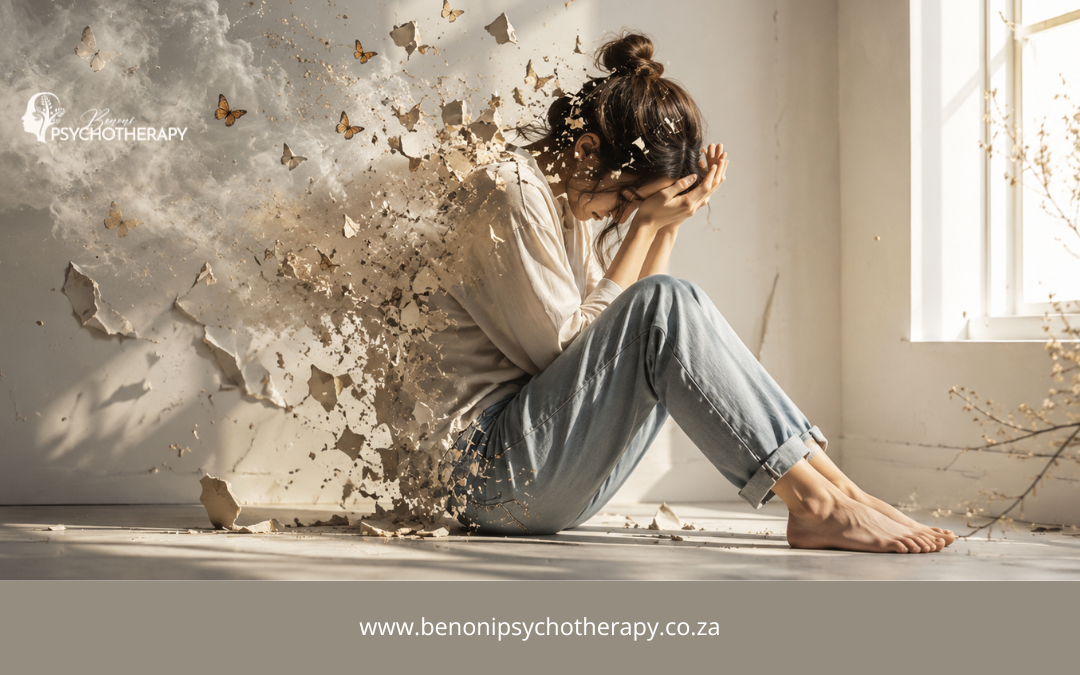
Understanding PTSD Therapy in Benoni
Living with post-traumatic stress disorder (PTSD) can feel overwhelming. Many people experience recurring memories, nightmares, anxiety, emotional numbness, or a constant sense of danger long after a traumatic event has passed. Seeking PTSD therapy in Benoni can be an important step toward healing and regaining a sense of control over your life.
At Benoni Psychotherapy, Ahmed Mayet provides professional psychological support for individuals struggling with trauma-related symptoms. Through a compassionate and evidence-based approach, therapy helps clients process difficult experiences, develop healthy coping mechanisms, and rebuild emotional wellbeing.
What Is PTSD?
Post-traumatic stress disorder is a mental health condition that can develop after experiencing or witnessing a traumatic event. Trauma may result from:
- Physical or emotional abuse
- Serious accidents
- Crime or violence
- Military combat
- Medical trauma
- Natural disasters
- The sudden loss of a loved one
While many people experience distress after trauma, PTSD occurs when symptoms persist and significantly affect daily functioning, relationships, work, and overall quality of life.
What Happens During PTSD Therapy in Benoni?
Many people feel nervous before attending their first therapy session because they are unsure what to expect. PTSD treatment is not about forcing individuals to relive painful memories before they are ready. Instead, therapy follows a structured and supportive process designed to promote safety and healing.
The Initial Assessment
The first sessions focus on understanding your unique experiences and symptoms.
Ahmed Mayet will explore factors such as:
- Current emotional challenges
- Trauma history
- Anxiety and stress levels
- Sleep disturbances
- Relationship difficulties
- Existing coping strategies
This assessment helps create a personalised treatment plan tailored to your specific needs and goals.
Building Safety and Trust
Before processing trauma, therapy focuses on establishing emotional stability and trust.
Many individuals with PTSD feel vulnerable or fearful. A strong therapeutic relationship creates a safe environment where difficult emotions can be explored without judgement.
Developing this foundation often helps clients feel more confident and prepared for deeper therapeutic work.
Learning Emotional Regulation Skills
One of the earliest stages of treatment involves learning practical techniques to manage distressing symptoms.
These may include:
- Breathing exercises
- Grounding techniques
- Mindfulness strategies
- Stress management tools
- Emotional awareness exercises
These skills can reduce the intensity of flashbacks, panic, and overwhelming emotional reactions.
Processing Traumatic Experiences
Once a foundation of safety has been established, therapy gradually begins addressing the traumatic experiences themselves.
The goal is not to erase memories but to reduce their emotional impact and help the brain process them in a healthier way.
Understanding Trauma Responses
Many PTSD symptoms are normal responses to abnormal events.
Therapy helps individuals understand:
- Why flashbacks occur
- How trauma affects the nervous system
- Why avoidance develops
- The connection between thoughts, emotions, and behaviour
Understanding these processes often reduces self-blame and promotes self-compassion.
Challenging Unhelpful Beliefs
Trauma can create negative beliefs about oneself, others, and the world.
Examples include:
- “I am not safe.”
- “The trauma was my fault.”
- “I cannot trust anyone.”
Therapy helps identify and challenge these beliefs while developing more balanced and realistic perspectives.
Rebuilding Confidence and Daily Functioning
As symptoms improve, therapy often shifts toward helping clients reconnect with meaningful aspects of life.
This may involve:
- Strengthening relationships
- Returning to work or studies
- Rebuilding self-esteem
- Pursuing personal goals
- Developing healthy routines
Recovery involves more than reducing symptoms—it involves reclaiming a fulfilling life.
How Long Does PTSD Therapy Take?
Every person’s healing journey is different. Some individuals experience significant improvement within a few months, while others benefit from longer-term support.
Factors influencing treatment length include:
- Severity of symptoms
- Duration of trauma exposure
- Existing support systems
- Personal treatment goals
Ahmed Mayet works collaboratively with clients to ensure therapy progresses at a pace that feels manageable and effective.
Why Professional Support Matters
Trauma can affect every aspect of a person’s life, but recovery is possible with the right guidance and support.
Professional treatment provides:
- Evidence-based therapeutic techniques
- A safe and confidential environment
- Personalised treatment plans
- Ongoing emotional support
- Practical coping strategies
Seeking help is not a sign of weakness. It is often one of the most courageous and important decisions a person can make.
Begin Your Healing Journey
If trauma continues to affect your emotional wellbeing, relationships, or daily life, professional support can help. At Benoni Psychotherapy, Ahmed Mayet offers compassionate and effective PTSD therapy in Benoni tailored to your individual experiences and needs.
You do not have to face trauma alone. Contact Benoni Psychotherapy today to schedule an appointment and take the first step toward healing, resilience, and lasting emotional recovery through PTSD therapy in Benoni.