
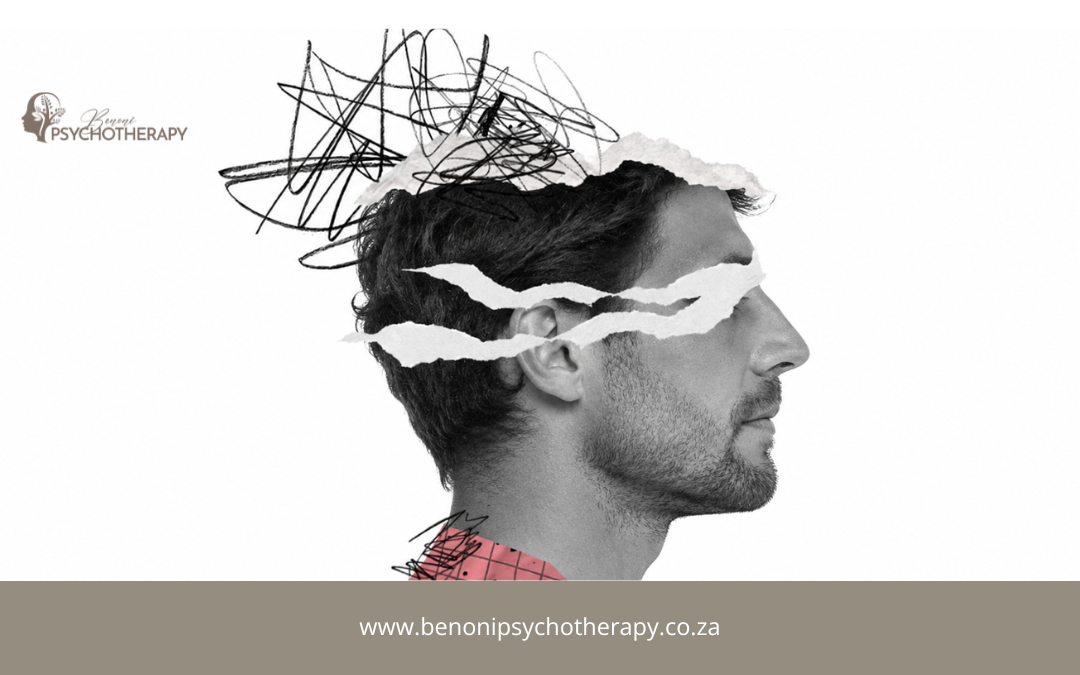
What Can Trigger Psychosis? Understanding The Causes And Warning Signs
Psychosis can be frightening, confusing, and deeply distressing both for the person experiencing it and for those around them. Many people assume psychosis appears suddenly without warning, yet in reality, there are often underlying emotional, psychological, environmental, or biological factors involved. Seeking early professional care and reliable mental health support in Northmead can make a significant difference in recovery and long-term wellbeing.
At Benoni Psychotherapy, Ahmed Mayet works with individuals facing complex mental health challenges, helping them better understand their symptoms while providing compassionate, evidence-based psychological care.
Understanding What Psychosis Is
Psychosis is not a condition on its own but rather a symptom linked to several mental health disorders and medical conditions. During a psychotic episode, a person may lose touch with reality in ways that affect their thoughts, emotions, perceptions, and behaviour.
Common symptoms of psychosis can include:
- Hallucinations, such as hearing voices or seeing things others cannot
- Delusions or strongly held false beliefs
- Disorganised speech or confused thinking
- Severe paranoia or suspicion
- Emotional withdrawal or unusual behaviour
- Difficulty concentrating or functioning normally
Psychosis can vary in intensity. Some individuals experience only mild symptoms at first, while others may have more severe episodes requiring urgent intervention.
Mental Health Support In Northmead And The Importance Of Early Intervention
One of the biggest misconceptions about psychosis is that it only affects people with severe mental illness. In reality, psychosis can be triggered by many different factors, including stress, trauma, substance use, neurological conditions, or untreated mental health disorders.
Early treatment often leads to better outcomes. Accessing professional mental health support in Northmead may help individuals recognise warning signs before symptoms become overwhelming or dangerous.
At Benoni Psychotherapy, Ahmed Mayet focuses on creating a safe, non-judgmental environment where clients can openly discuss distressing thoughts, emotional instability, or changes in behaviour without fear of stigma.
What Can Trigger Psychosis?
There is rarely one single cause of psychosis. Instead, it is usually influenced by a combination of biological, psychological, and environmental factors.
Severe Stress And Emotional Trauma
Intense emotional stress can sometimes trigger psychotic symptoms, particularly in individuals already vulnerable to mental health difficulties. Traumatic experiences may overwhelm the brain’s ability to process emotions and reality clearly.
Triggers may include:
- Grief or sudden loss
- Relationship breakdowns
- Childhood trauma
- Abuse or neglect
- Financial or work-related stress
- Social isolation
Long-term exposure to stress can gradually affect emotional regulation and cognitive functioning over time.
Substance Use And Drug-Induced Psychosis
Certain substances can trigger temporary or long-lasting psychotic episodes. Drug-induced psychosis may occur during intoxication, withdrawal, or prolonged substance use.
Substances commonly linked to psychosis include:
- Cannabis, particularly high-potency strains
- Methamphetamine and cocaine
- Hallucinogenic drugs
- Excessive alcohol use
- Certain prescription medications when misused
For some individuals, substance use may reveal an underlying mental health condition that had not previously been diagnosed.
Mental Health Disorders
Psychosis is commonly associated with several psychiatric conditions, including:
- Schizophrenia
- Bipolar disorder
- Severe depression
- Schizoaffective disorder
- Post-traumatic stress disorder
In some cases, psychotic symptoms may appear during periods of extreme mood instability, emotional distress, or prolonged untreated illness.
Sleep Deprivation And Extreme Fatigue
Lack of sleep can significantly affect brain functioning. Severe sleep deprivation may contribute to confusion, paranoia, emotional instability, and hallucinations in vulnerable individuals.
Even prolonged periods of poor sleep caused by anxiety, stress, or burnout can increase psychological distress.
Medical And Neurological Conditions
Certain medical conditions can also contribute to psychotic symptoms. These may include neurological illnesses, infections, hormonal imbalances, or brain injuries.
Because psychosis can sometimes have physical causes, professional psychological and medical assessment is essential.
Warning Signs That Should Not Be Ignored
Psychosis often develops gradually. Recognising early signs can help individuals receive support before symptoms worsen.
Some common warning signs include:
- Increased social withdrawal
- Difficulty concentrating
- Heightened suspicion or paranoia
- Emotional numbness
- Sudden decline in work or academic performance
- Unusual beliefs or perceptions
- Changes in personal hygiene or self-care
- Hearing whispers, voices, or sounds others cannot hear
Family members often notice behavioural changes before the individual fully recognises them themselves.
How Therapy Can Help
Psychological support plays an important role in helping individuals understand their experiences, manage symptoms, and reduce emotional distress. Therapy may also help families better support loved ones struggling with psychosis-related symptoms.
At Benoni Psychotherapy, Ahmed Mayet provides compassionate and professional care tailored to each person’s unique needs. Treatment may involve emotional support, coping strategies, trauma-focused interventions, stress management, and collaboration with psychiatrists or medical professionals when necessary.
Accessing trusted mental health support in Northmead can help individuals feel less isolated while building practical tools for recovery and emotional stability.
Reach Out For Professional Support
Psychosis can feel overwhelming, but early intervention and compassionate care can make recovery possible. Seeking help is not a sign of weakness — it is an important step toward understanding what you are experiencing and regaining a sense of stability and control.
If you or someone you care about is experiencing unusual thoughts, hallucinations, paranoia, or emotional distress, Benoni Psychotherapy and Ahmed Mayet are here to help. Professional mental health support in Northmead may provide the guidance, clarity, and reassurance needed during a difficult time.
Contact Benoni Psychotherapy today to schedule a confidential appointment and begin receiving supportive, professional psychological care.